
Payday Super
Payday Super is here:
Understand your obligations and manage super contributions with each payday
Trusted By






What is Payday Super?
Super guarantee is now payable for each payday.
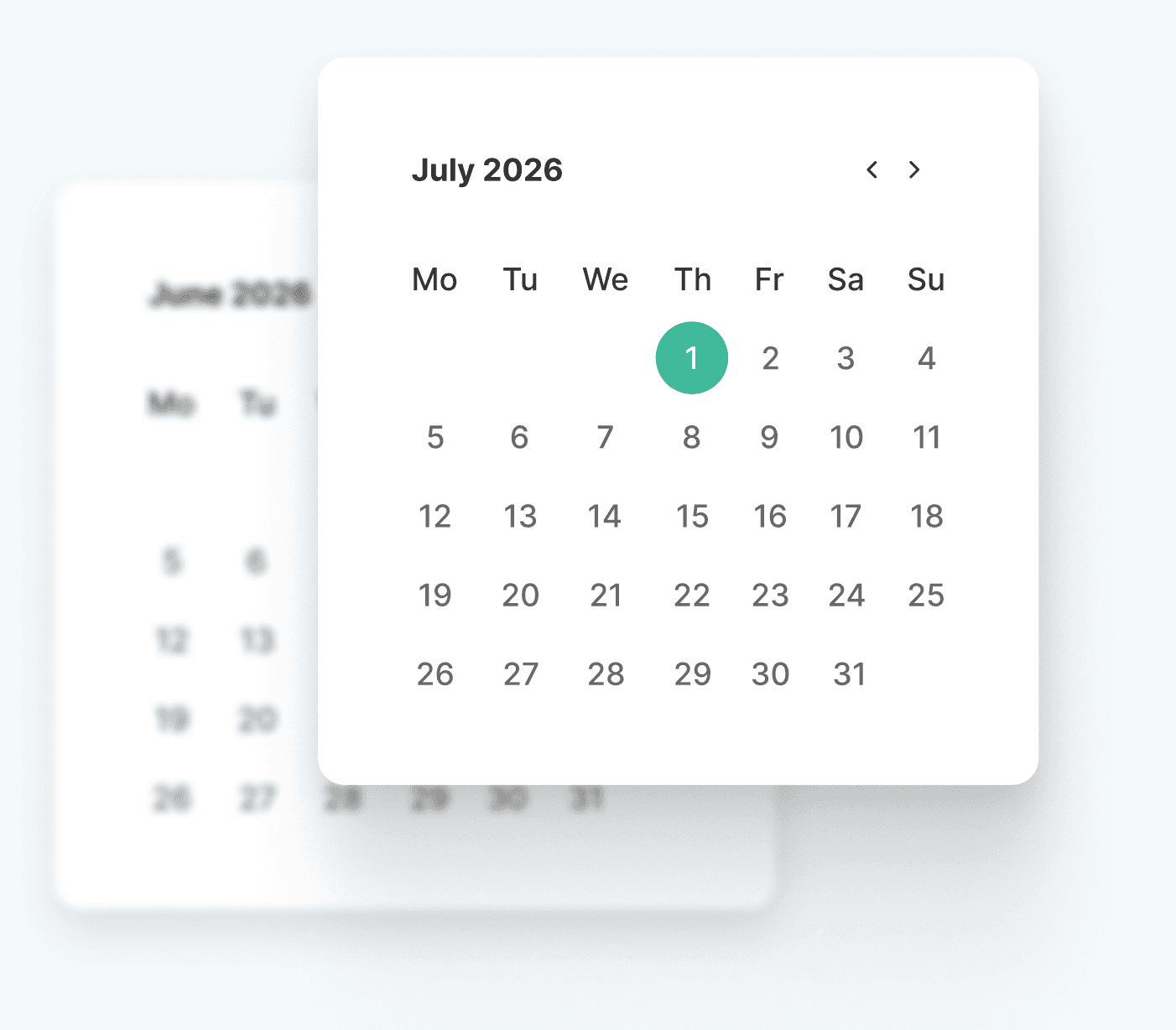
Payday Super commenced on 1 July 2026. Employers must calculate super guarantee for each payday at 12% of qualifying earnings. Contributions must generally reach the employee’s super fund within seven business days after payday, with enough information for the fund to allocate them.
Specific exceptions allow longer. For example, the first eligible contribution for a new employee, or to a new complying fund for an existing employee after contributions to the previous fund stop, has a 20-business-day deadline. Check the ATO’s rules for your circumstances and allow time for payment processing.
- Fortnightly pay usually means 26 super payments a year instead of 4 quarterly payments: 6.5 times as often
- Weekly pay usually means 52 super payments a year instead of 4 quarterly payments: 13 times as often
- The super guarantee rate remains 12%; payment timing and the qualifying-earnings calculation matter for cash flow
Why was Payday Super introduced?
Use Our CalculatorPaying super closer to payday helps employees see their contributions sooner and gives employers a regular opportunity to check that payments have reached the right fund. Payday Super is designed to reduce unpaid super and improve payment visibility.
Help employees keep track of their super contributions
Report qualifying earnings and super liability through Single Touch Payroll
Check receipt and resolve payment errors promptly
How Will Payday Super Affect Your Organisation?
The impact depends on how often your business previously paid super and how your payroll processes work. Employers who previously paid quarterly need to budget for earlier contributions and check each payday’s payment and reporting.

Administrative Challenges
Review these practical tasks with your payroll team:
Plan for contributions each payday: usually 52 weekly or 26 fortnightly payments a year, rather than 4 quarterly payments
Allow enough processing time for contributions and allocation information to reach the correct fund by the deadline
Check payment receipts, resolve errors promptly and follow ATO guidance for back pay and out-of-cycle payments
For casual workforces, qualifying earnings can vary each payday. Reconcile approved hours, earnings and super contributions rather than relying on a fixed estimate.
Compliance and Reporting
Report qualifying earnings and super liability through Single Touch Payroll and use a SuperStream-compliant payment method. Keep records that show what was paid, when it was received and which employee it relates to.
Check that your payroll and super payment provider support the current requirements
Verify employee and fund details before sending contributions
Monitor rejected or late payments and act promptly
Keep payroll, contribution and correction records
The ATO Small Business Superannuation Clearing House closed permanently on 1 July 2026. Businesses that used it need an alternative super payment provider.


Financial Impact
Payday Super changes when cash leaves the business. Bringing contributions forward can reduce the cash available between paydays, even though the super guarantee rate remains 12%. The amount payable is calculated from qualifying earnings.
Forecast super alongside each payday’s qualifying earnings
Separate earlier cash payments from any additional administration or provider costs
Check your payment provider’s processing times and charges
Allow for variable earnings and any applicable deadline exceptions
Earlier payment does not by itself mean your annual wage bill rises by 12%. Review the timing of receipts and payments with your accountant or payroll adviser.
Late or insufficient contributions can trigger the super guarantee charge. Check current ATO guidance and correct errors promptly.
What your business should check now
Confirm that your payroll calculates super on qualifying earnings, your provider can meet the receipt deadline and your team checks payment outcomes. If you used the closed Small Business Superannuation Clearing House, arrange an alternative provider.
Review your pay cycle if it suits your business
Changing pay frequency can affect cash timing and payroll administration, but it is not required by Payday Super. Review employee needs and applicable awards, agreements and contracts before considering a change. Any financial benefit depends on your actual costs and payment timing.
Support employees while managing payroll
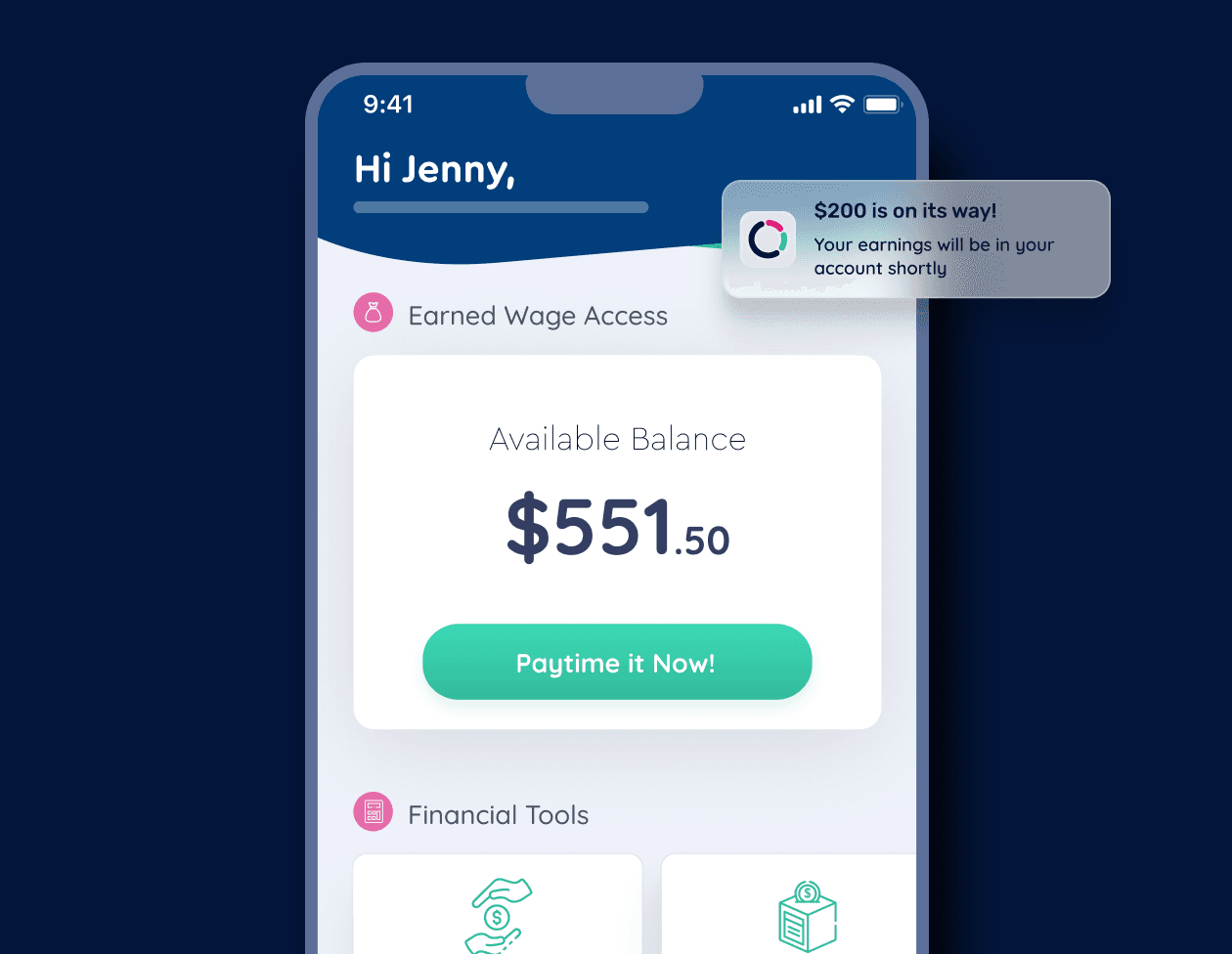
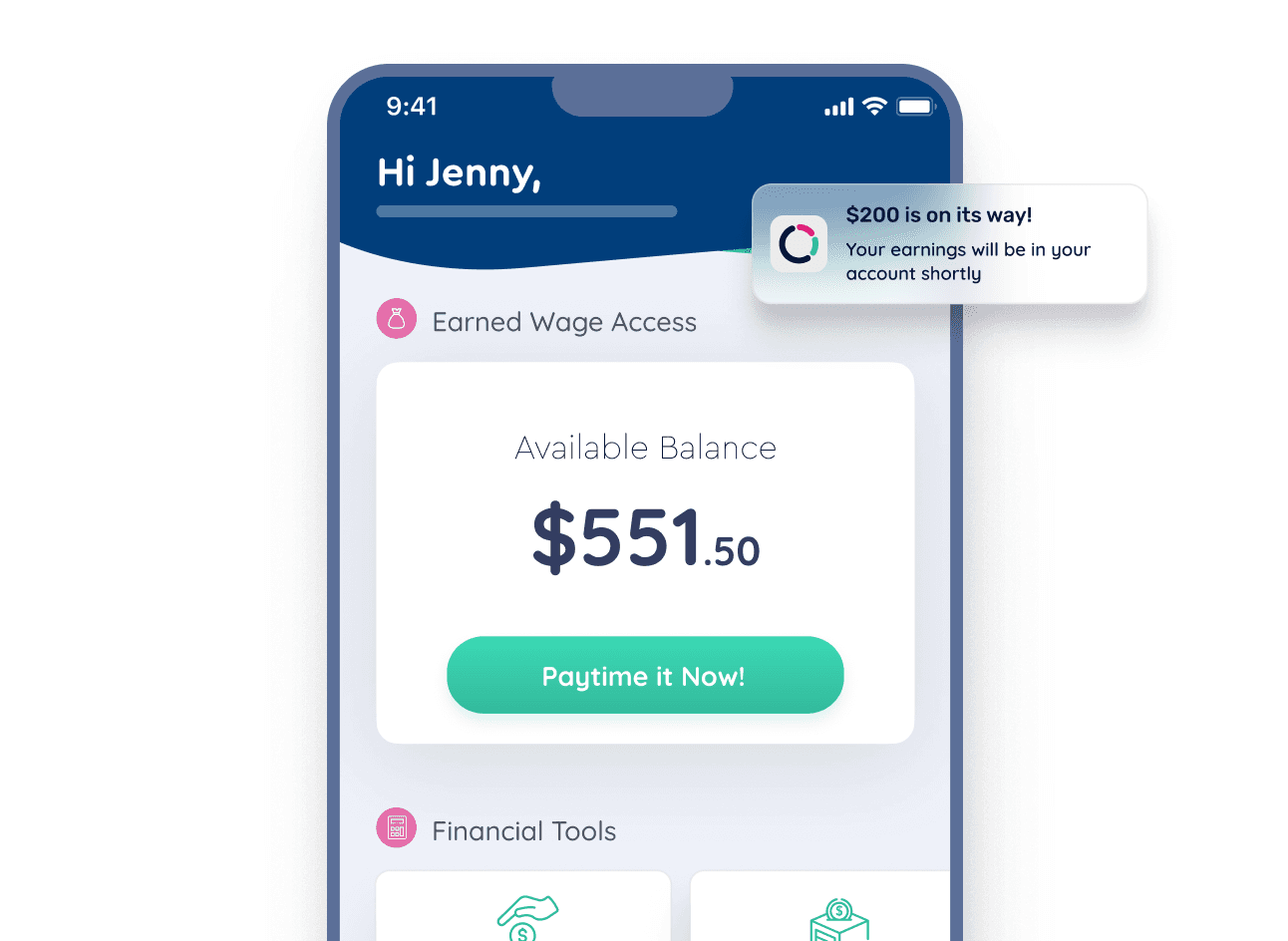
Paytime gives employees access to part of their already-earned wages when their employer offers the service. It can support employees between paydays whether or not the employer changes pay frequency.
Keep earned wage access separate from your super guarantee obligations
Employees choose when to withdraw within their employer’s access settings
Employers typically pay a small monthly SaaS fee
Employees pay a low ATM-like fee per withdrawal unless subsidised, shown in the app before confirmation

Explore your payroll cash timing
See how paying super each payday changes cash timing, then compare another pay cycle. Use your own payroll figures; a timing difference is not a saving or extra profit.
How this estimate works
Assumes steady earnings and equal periods: 52 weekly, 26 fortnightly or 12 monthly pay runs per year; previous super intervals use 6 every-two-months or 4 quarterly payments. Wages and super are paid at period-end, with no additional payment delay. Actual calendar dates, processing time, seasonal payroll and transitional catch-up payments can change cash needs. This is an average cash-timing model, not a net working-capital calculation or a compliance check.
Payday Super does not require a change to wage frequency. Before changing pay arrangements, check the applicable award, agreement, contract and employee needs. Super must still reach the fund by the applicable deadline.
DISCLAIMER: Please note that all the figures above and any related content about payday super are not all-inclusive and is intended for general information purposes only. It does not constitute legal or other advice. The content may not be compliant with your local employment laws. Always seek professional legal advice. Paytime expressly disclaim any representation or warranties, express or implied, including without limitation any representations or warranties of fitness for a particular purpose, accuracy, completeness and reliability. Paytime is not liable for any loss or damages arising either directly or indirectly as a result of reliance on, use of or inability to use any information provided.

We transitioned our pay cycle from weekly to fortnightly while offering Paytime to our employees. It gives our employees the flexibility to get paid on their own terms and unlocks significant working capital and administrative savings for the business
 Andrew GageHead of People and Culture at ServCo
How our clients adapted their pay cycle
Talk to our team about earned wage access and how it could fit your existing payroll arrangements. Any pay-cycle changes need a separate review of costs, employee needs and applicable requirements.
CFOs: Review cash timing
Review the timing of super contributions and payroll alongside your business’s actual costs. Earned wage access is a separate employee benefit and does not change super guarantee obligations.
Frequently Asked Questions
Can’t find your question? Reach out to our team.
What is Payday Super and when did it start?
Payday Super commenced on 1 July 2026. Super guarantee is payable for each payday at 12% of qualifying earnings. Contributions must generally reach the employee’s fund within seven business days after payday, with enough information for allocation. Specific exceptions allow longer, including 20 business days for the first eligible contribution for a new employee or certain changes of fund. See the ATO’s payment deadlines.
How does Payday Super affect business cash flow?
Employers who previously paid super quarterly now pay for each payday. This brings cash payments forward; it does not itself increase the super guarantee rate, which remains 12%. The contribution amount is calculated from qualifying earnings. Usually, weekly pay involves 52 contributions a year and fortnightly pay 26, compared with 4 quarterly contributions. Actual timing and costs depend on your business.
What payroll and payment processes should employers check?
Check qualifying earnings, super liability reporting through Single Touch Payroll, employee fund details and your provider’s processing times. Monitor receipts and fix errors promptly. The Small Business Superannuation Clearing House closed permanently on 1 July 2026, so former users need an alternative provider. Back pay and out-of-cycle payments have specific rules; follow current ATO guidance.
Does Paytime replace any Payday Super obligations?
No. Paytime earned wage access is a separate employee benefit and does not replace or defer super guarantee obligations. You do not need to change pay frequency to offer Paytime. Employers typically pay a small monthly SaaS fee. They can also choose to cover all or part of the employee withdrawal fee. A low ATM-like fee that costs less than a cup of coffee applies per withdrawal unless subsidised, and is shown before confirmation.
What happens if super is paid late or incorrectly?
Late, missing or insufficient contributions can trigger the super guarantee charge, including additional interest and administrative amounts. Correct errors promptly and check the ATO’s late-payment guidance or speak with your tax adviser. The outcome depends on the circumstances.
How can Payday Super benefit employees?
More frequent contributions put super into employees’ funds sooner and make payments easier to track. Investment outcomes vary; earlier contributions do not guarantee a particular retirement balance.
What should my business check now?
- Calculate super using qualifying earnings
- Report qualifying earnings and super liability through Single Touch Payroll
- Confirm your provider can meet the fund-receipt deadline
- Use an alternative provider if you previously used the closed SBSCH
- Check fund details, payment outcomes and correction procedures
- Budget for the timing of each payday’s contributions
- Review relevant exceptions with your payroll or tax adviser
Sources & Further Reading
Current Australian Taxation Office guidance:
Check the ATO’s latest guidance and discuss your circumstances with your payroll or tax adviser.
Last reviewed: 24 November 2026