

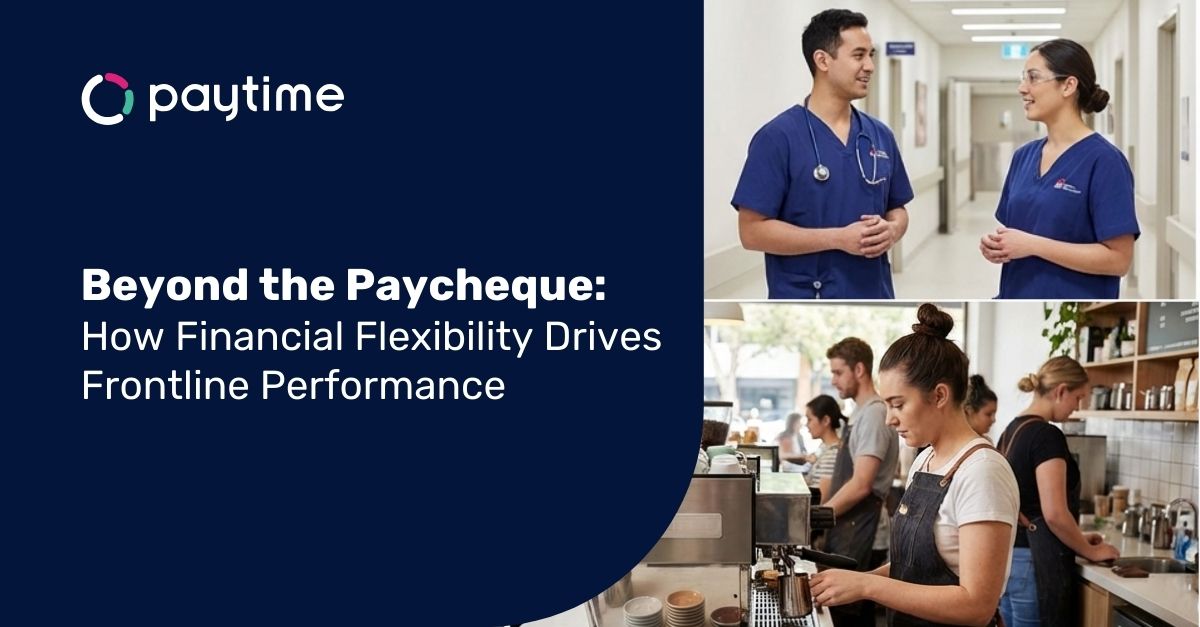
Redefining Employee Engagement for the Modern Workforce
In the modern corporate landscape, a significant disconnect persists between the boardroom and the front line. While executives focus on high level strategy and digital transformation, the success of these initiatives rests entirely on the shoulders of the frontline workforce. These are the individuals interacting with your customers, managing your logistics, and representing your brand daily. Yet, despite their critical role, this segment of the workforce often feels the most disconnected from the organisation’s financial and strategic goals.
True competitive advantage in the current market does not come from technology alone; it comes from an engaged, empowered, and financially secure frontline. When these employees are engaged, they are more productive, provide better customer service, and are significantly less likely to leave for a competitor.
The Hidden Cost of Disengagement
Disengagement is not just a cultural issue; it is a financial one. Frontline industries, such as retail, hospitality, and healthcare, habitually struggle with high turnover rates. The cost of replacing a single employee can range from 33% to double their annual salary when accounting for recruitment, onboarding, and lost productivity.
However, the root cause of disengagement often goes ignored. Many frontline workers live paycheque to paycheque, with 63% of Australians reportedly feeling stressed about their financial situation. When an employee is preoccupied with how they will pay for an unexpected car repair or a medical bill before the next fortnightly pay cycle, their focus is not on providing an exceptional customer experience. Their cognitive bandwidth is depleted by financial anxiety.
Bridging the Gap with Financial Wellness
To unleash the power of the front line, organisations must address the fundamental needs of their staff. Traditional benefits often miss the mark for frontline workers who value flexibility and immediacy over distant perks. This is where Earned Wage Access (EWA) becomes a strategic tool for engagement.
By allowing employees to access wages they have already earned throughout the month, companies can alleviate the stress of the “payday cycle.” It is a shift from a rigid, Victorian-era payroll model to a modern, fluid approach that reflects the “on demand” nature of today’s world. When an organisation like Paytime integrates with existing systems, it provides a safety net that protects workers from predatory high-interest loans. The result is a workforce that feels seen, valued, and supported by their employer.
Productivity and the “Extra Mile”
The impact of frontline engagement goes beyond simple retention. Data suggests that 89% of employees are willing to work more hours when they have access to their earned wages. This creates a powerful ripple effect: managers find it easier to fill shifts, overtime is managed more effectively, and employees are incentivised to perform.
When the barrier between work and reward is shortened, the motivation to engage deeply with the role increases. This is the essence of unleashing frontline power. It turns a transactional relationship (labour for money) into a partnership where the employee has the tools to manage their financial life effectively.
Modern Leadership: Keeping It Simple
The most effective leadership strategies are often the ones that remove friction. For many CFOs and HR Directors, the hesitation to implement new engagement tools stems from a fear of administrative burden. However, the next generation of financial wellness platforms requires zero disruption to existing payroll processes.
Strategic leaders are now recognising that they can offer a transformative benefit without changing their internal workflows. By providing tools like financial counselling and budgeting resources alongside EWA, companies are not just “paying” people; they are coaching them toward long-term stability.
The Verdict
The front line is the heartbeat of your business. If that heartbeat is stressed, the entire organisation suffers. By prioritising financial wellness and flexibility, companies can transform their frontline from a high-turnover cost centre into a loyal, high-performing engine of growth. In an era where 79% of workers would switch jobs for better financial benefits, the question for leadership is no longer “why” but “when.”